20 Oct 2026
Scripted Connections Linking Mini-Game Outcomes to Progressive Slot Expansion Through Automated Bonus Systems
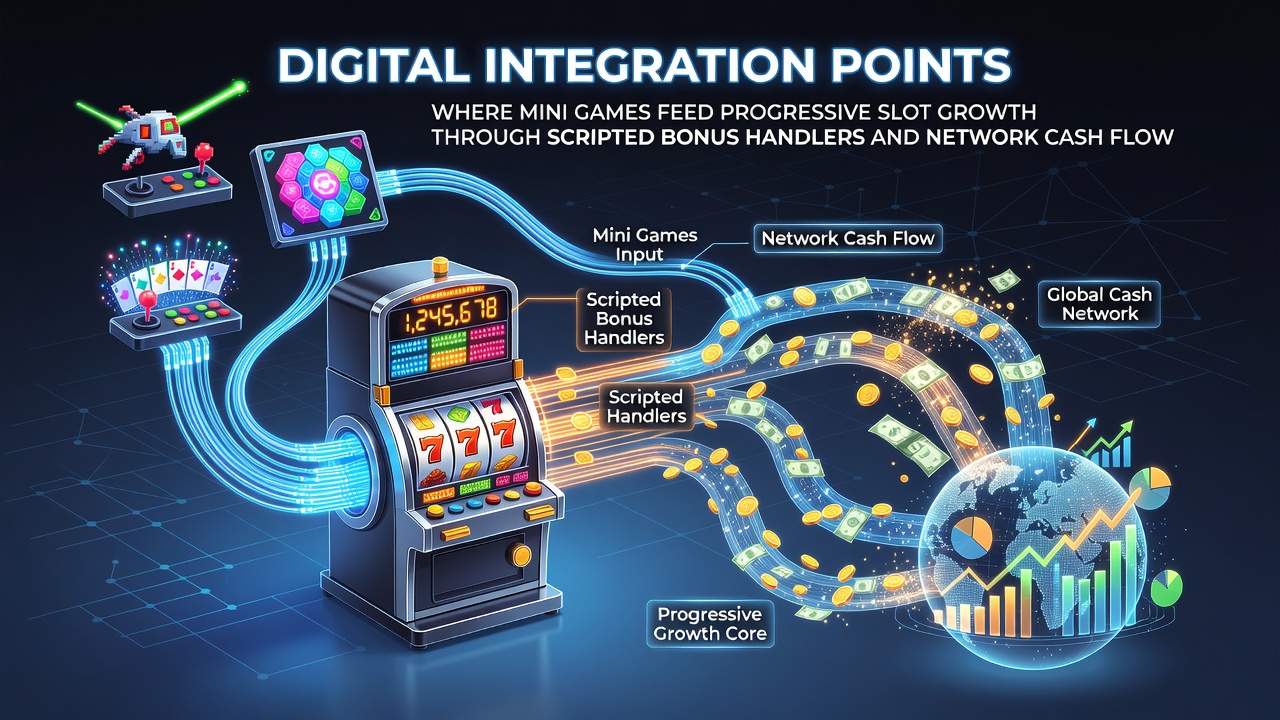
Digital platforms now route mini-game results directly into progressive slot mechanics through layered script protocols that manage bonus triggers and cash movement across shared networks, and these pathways operate continuously to adjust prize pools based on real-time inputs from multiple game types.
Core Integration Architecture
Scripted bonus handlers sit at the center of these connections, they receive outcome data from mini-games, process eligibility rules, then push validated values into progressive meters while network cash flow engines update balances across linked servers. Data from the Nevada Gaming Control Board shows that such automated flows accounted for measurable portions of jackpot growth in regulated markets during 2025, and similar patterns appear in reports covering October 2026 activity where transaction volumes rose after new interface deployments.
Those who maintain these systems note that handlers use predefined scripts to validate each mini-game result before any transfer occurs, this step prevents invalid entries from affecting pool calculations and keeps the entire process compliant with regional licensing requirements.
Cash Flow Pathways Across Networks
Network cash flow operates as the circulatory system for these integrations, funds move from mini-game wagers into a central ledger, then portions are allocated to progressive slots according to contribution percentages set by operators. Researchers at the University of Nevada, Las Vegas have documented how these ledgers reconcile multiple streams within milliseconds, allowing simultaneous updates to several jackpot displays without latency spikes that once disrupted player sessions.
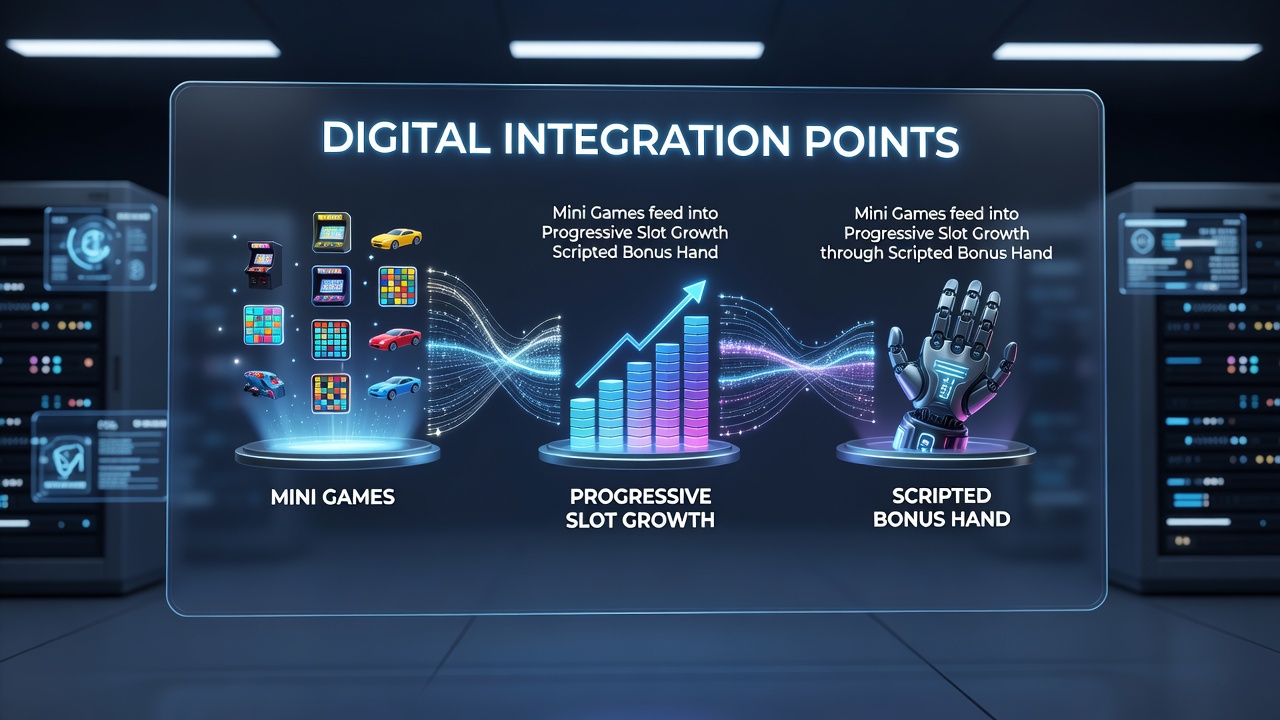
Observers tracking October 2026 implementations report that operators who adopted unified cash flow protocols reduced reconciliation errors by measurable margins compared with earlier fragmented setups, and the same protocols now support cross-game events where a mini-game win instantly boosts a linked progressive meter.
Script Protocols and Trigger Logic
Bonus handler scripts contain conditional statements that evaluate mini-game results against preset thresholds, when conditions match, the script initiates a transfer sequence that credits the progressive pool while logging the event for audit trails. Industry data compiled by the Canadian Gaming Association indicates that script-driven triggers now handle the majority of inter-game contributions in major online platforms, replacing manual review steps that previously slowed payout cycles.
People who design these scripts emphasize modular code structures so individual mini-games can connect or disconnect from the network without requiring full system restarts, this flexibility supports rapid rollout of new game content while preserving existing jackpot linkages.
Regional Regulatory Alignment
Regulatory frameworks in multiple jurisdictions require transparent logging of every script execution that affects progressive values, and operators submit these logs to oversight bodies on scheduled intervals. Figures released by the Australian Communications and Media Authority reveal steady increases in automated reporting volumes through 2026, reflecting broader adoption of the integration points described here.
Yet compliance extends beyond logging, handlers must also enforce geographic restrictions so that only eligible players contribute to or receive awards from specific progressive pools, and network cash flow engines apply these filters at the transaction level before any funds move.
Future Scaling Considerations
Platform providers continue to expand the number of mini-games that feed into single progressive ecosystems, and the underlying scripts scale by distributing processing load across redundant servers that mirror cash flow data in real time. Studies from European research consortia have examined how these distributed models maintain consistency even during peak traffic periods, confirming that scripted bonus handlers remain the primary mechanism for accurate prize allocation.
Conclusion
The described integration points now form the operational backbone for many progressive slot environments, they rely on scripted bonus handlers to translate mini-game activity into pool growth and on network cash flow systems to keep all connected elements synchronized. As platforms add new titles and refine existing connections, the same architectural principles continue to govern how contributions accumulate and how awards reach qualifying players across regulated markets.