3 Nov 2026
From Homepage to Payout: The Scripted Journey in Progressive Casino Gaming Systems
 Digital casino platforms rely on layered scripts that translate user actions on homepages into contributions toward progressive slot pools, and those same scripts handle the distribution of winnings when triggers activate across networked games. Observers note that homepage elements such as banners, quick-spin buttons, and featured game tiles serve as entry points where JavaScript adn server-side code begin tracking player engagement metrics that feed directly into jackpot calculations. These pathways operate through event listeners embedded in the site code that detect clicks, hovers, and session durations before passing data to backend processors. According to industry reports from the American Gaming Association, online casino traffic patterns in late 2026 show increased homepage-to-game conversion rates during promotional periods, with scripts routing those interactions into shared progressive meters that span multiple titles and operators.
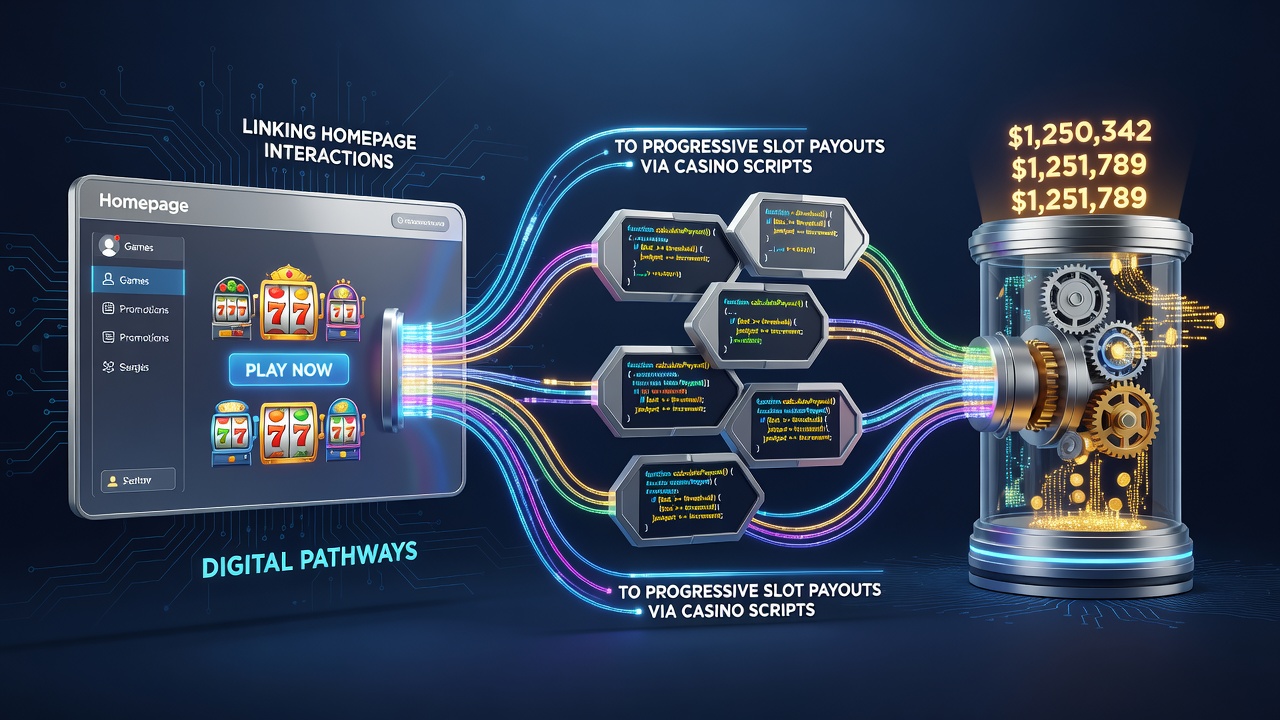
Digital casino platforms rely on layered scripts that translate user actions on homepages into contributions toward progressive slot pools, and those same scripts handle the distribution of winnings when triggers activate across networked games. Observers note that homepage elements such as banners, quick-spin buttons, and featured game tiles serve as entry points where JavaScript adn server-side code begin tracking player engagement metrics that feed directly into jackpot calculations. These pathways operate through event listeners embedded in the site code that detect clicks, hovers, and session durations before passing data to backend processors. According to industry reports from the American Gaming Association, online casino traffic patterns in late 2026 show increased homepage-to-game conversion rates during promotional periods, with scripts routing those interactions into shared progressive meters that span multiple titles and operators.Mechanics of Interaction Capture
Casino scripts initiate their work the moment a visitor lands on the homepage by assigning unique session identifiers and logging initial behaviors. Data points collected include navigation choices and time spent on promotional modules, which the code then maps to eligibility flags for ongoing jackpot growth. Research from the University of Nevada's gaming technology studies indicates that such real-time logging allows progressive pools to reflect activity across thousands of simultaneous users without introducing noticeable latency. Scripts further categorize interactions by type, distinguishing between direct game launches and indirect engagements like bonus previews, so that only qualifying actions increment the progressive counters. This categorization prevents inflated contributions while maintaining the integrity of payout formulas that determine when and how much a jackpot releases.Integration with Progressive Networks
Once captured, homepage data flows through API endpoints that connect individual casino instances to wider progressive jackpot networks. These networks aggregate contributions from multiple sites and titles, creating the large prize pools that define progressive slots. Figures from the European Gaming and Betting Association reveal steady expansion of such interconnected systems through 2026, with November seeing heightened activity as operators rolled out seasonal campaigns that boosted homepage traffic and subsequent pool growth. The scripts manage synchronization by timestamping each interaction and reconciling it against network ledgers to avoid discrepancies during high-volume periods. When a progressive trigger occurs in a slot game, the same code pathways that originated from homepage clicks facilitate the payout verification and fund transfer processes, ensuring seamless delivery to the winning account.